

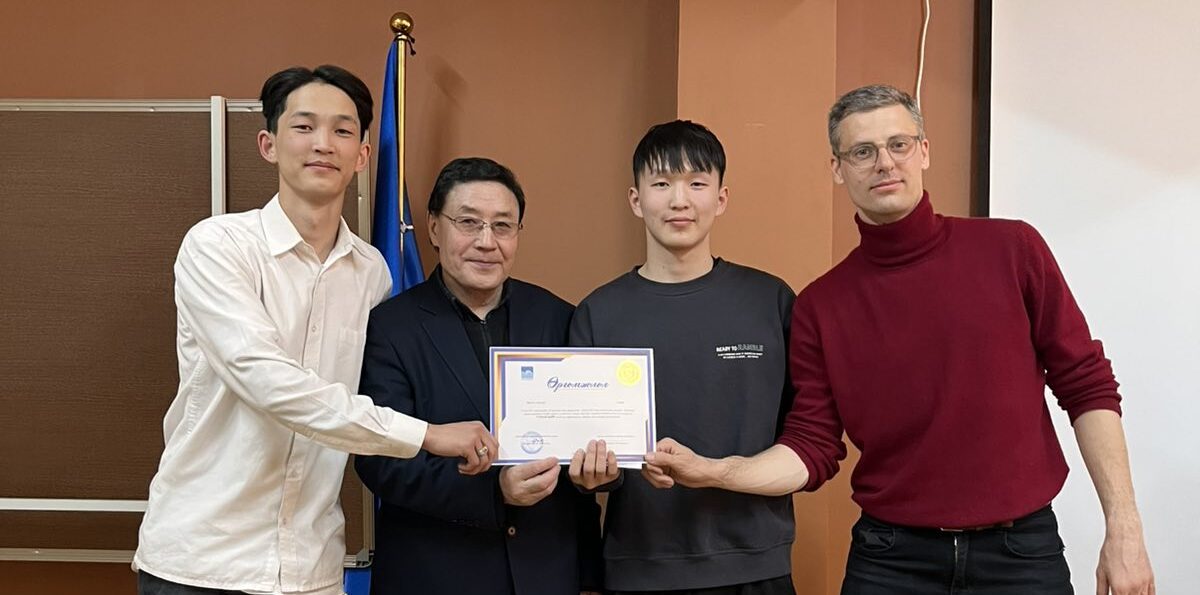
An interview with B. Gregory, PhD in Mathematics, who teaches English and Mathematics at the School of Architecture and Design.
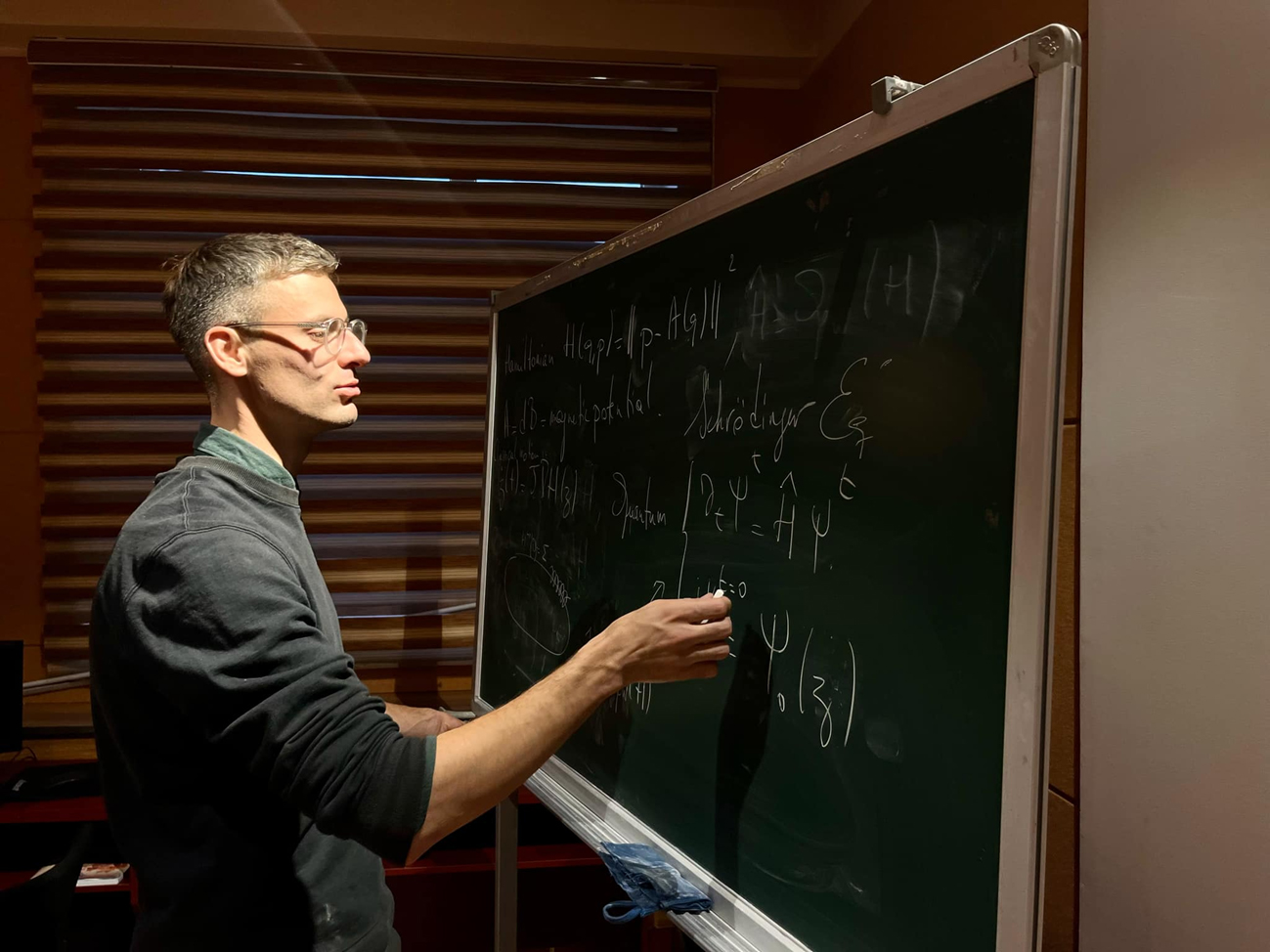
— How did your teaching career begin?
— I was interested in mathematics from childhood, which encouraged me to study it in depth. After completing a doctorate in Mathematics, I moved from research into teaching.
— How did you come to work at CITI University?
— I am French. I first came to Mongolia on a six-month student visa, became interested in living and working here, and have now been here for six years. I appreciated people’s friendliness and the living environment. My connection with CITI University began in 2022. Since then, I have taught English and Higher Mathematics at the School of Architecture and Design. I value the opportunity to work with its faculty. Before 2022, I lived and worked in Erdenet.
— How do students approach Mathematics and English?
— Mathematics can initially seem difficult. I make lessons more engaging by providing opportunities to solve problems and develop logical thinking. Practical examples and real projects help students understand its relevance. Mathematics is not only calculation; it is also a foundation for creative thinking. Mongolian students participate actively and show considerable respect for teachers. In English lessons, they are willing to begin speaking, while those with less proficiency work hard to improve.
— How do you connect English and Mathematics in teaching?
— Both are important and naturally connected for Architecture and Design students. English enables access to international sources, while Mathematics develops logical thinking and problem-solving. Studying both supports professional and creative development.
— What role does Mathematics play in contemporary design?
— It has many applications. Three-dimensional modelling, numerical modelling and architectural planning all depend on mathematics and calculation. Mathematical concepts and theory, combined with creative approaches, enable different forms of contemporary design. I support students in consolidating these foundations.
— What advice would you give students?
— I often tell them that combining Mathematics and English can help them become more creative and versatile professionals. Learning both supports academic achievement and many aspects of life. Mathematics develops problem-solving and creative thinking, beyond numerical calculation. My aim is to help students develop these abilities and continue their own growth.