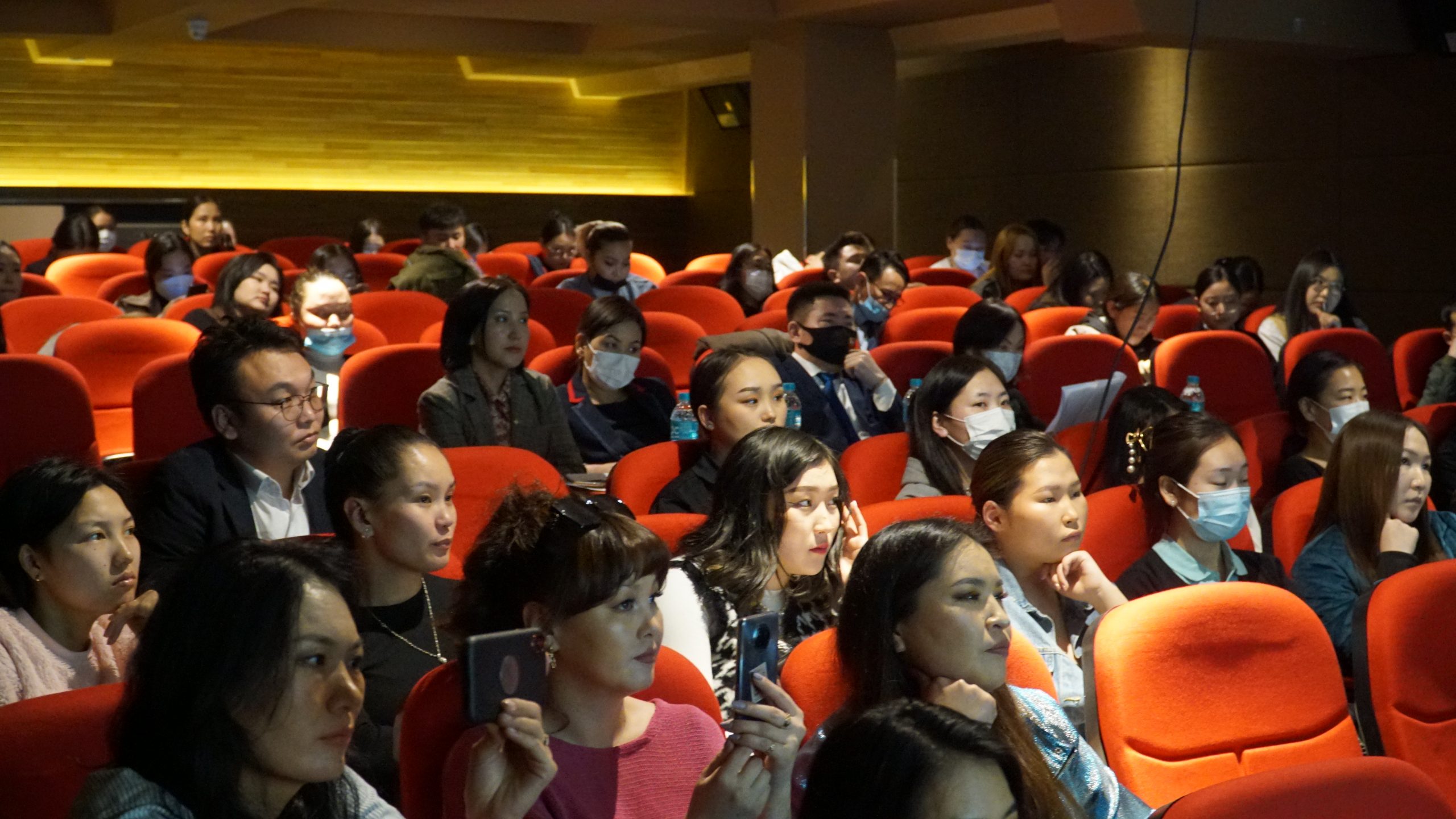

CITI University’s Student Research Conference, jointly organised by the Academic Council’s subsidiary councils, professorial teams, the Graduate School and constituent schools, and the Student Union, concluded successfully and selected its outstanding papers.
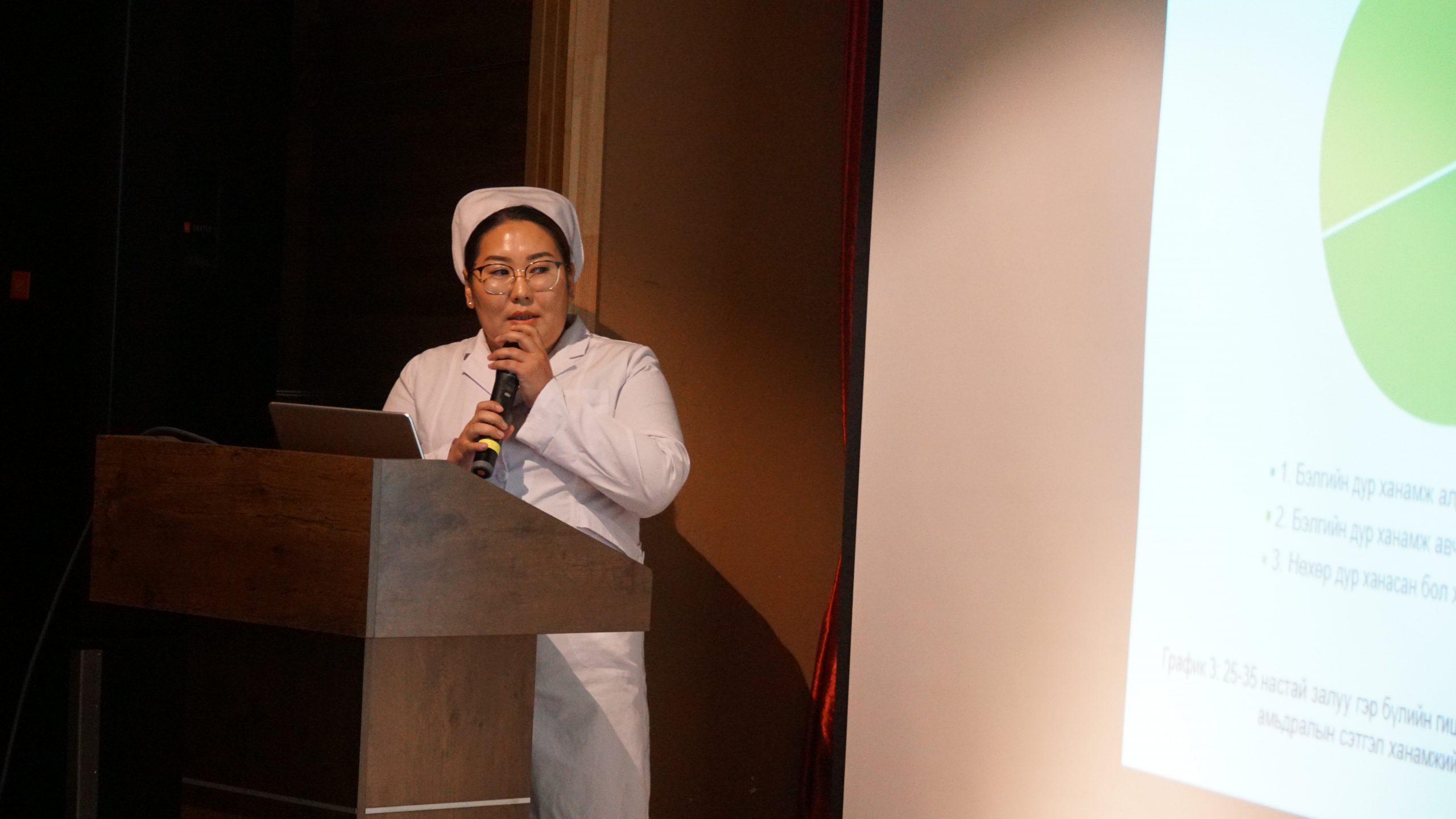
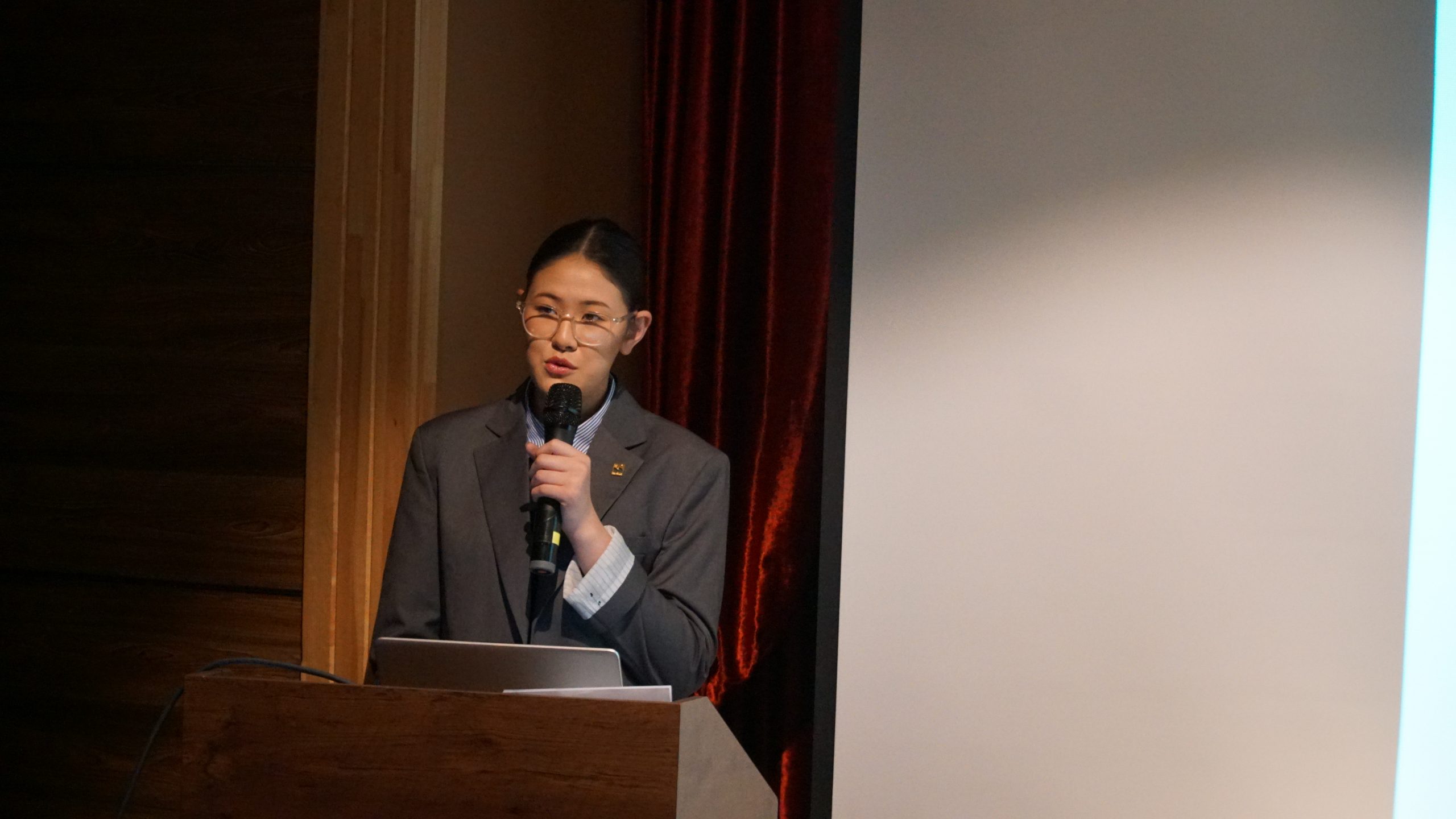
The conference took place in three stages without a prescribed theme, allowing students to select topics reflecting their disciplines and skills. In the first stage, each of the six constituent schools selected its strongest papers. These works were discussed in the second stage. Eleven selected presenters then presented their research in the third stage, where the panel awarded the top three places.
- Social Influences on Family Relationships
- Positive Psychological Influences on Dancers
- Making the Bogd Khan Palace Museum Accessible to Persons with Disabilities
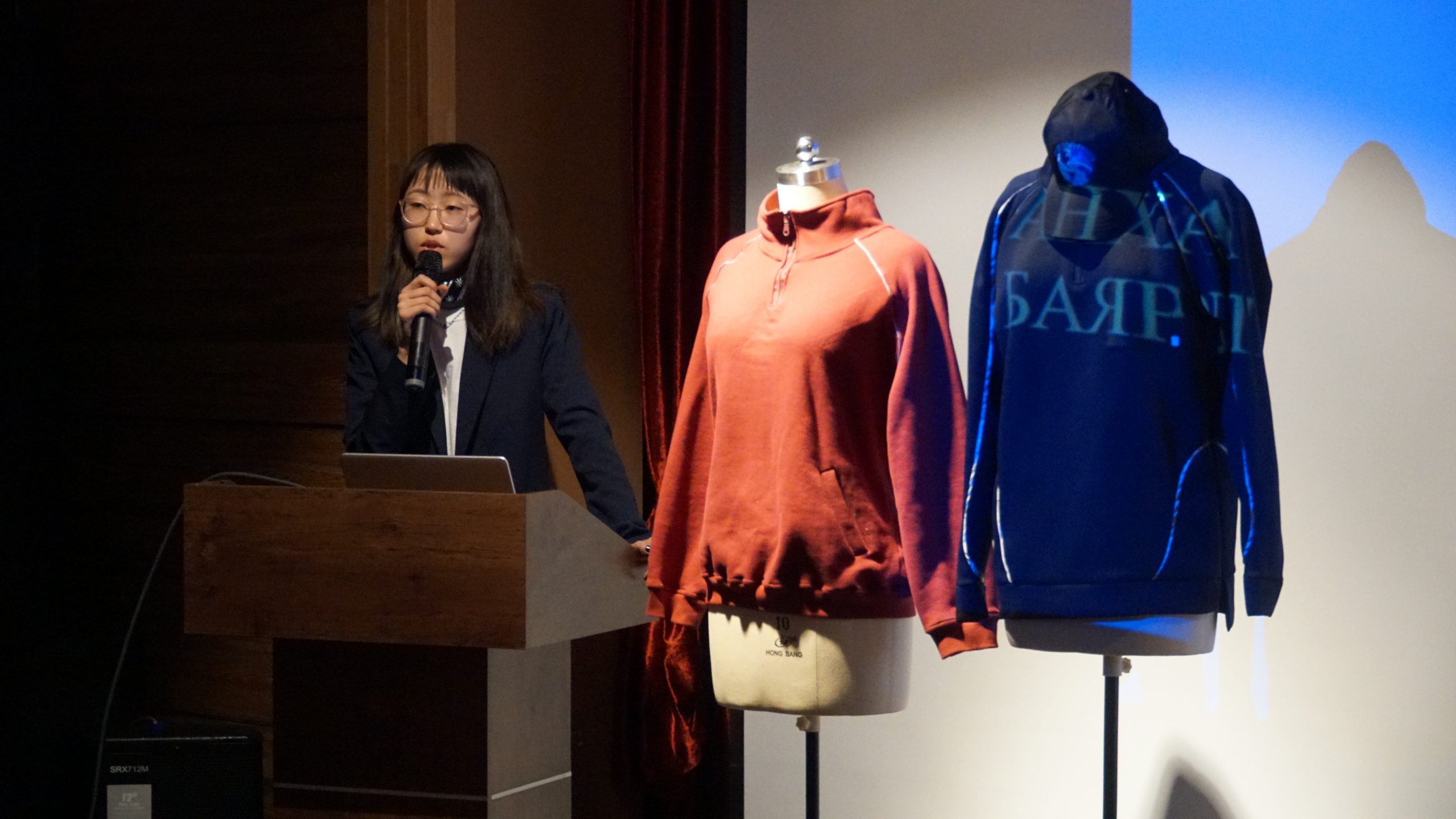
- A Study of Producing University-Branded Clothing and Merchandise
- Current Waste Conditions on University Campuses and Ways to Improve Them
- Developing a Design for CITI-Branded Shirts
- Divorce and Its Contributing Causes and Conditions
- Workplace Sexual Harassment: Prevention and Legal Regulation
- Plantago major as the Main Ingredient in a Moisturising Facial Mask
- Foreign Language Teaching and Translation: Modern Teaching Approaches
- A Study of Student Employment. These papers were discussed in the final round.
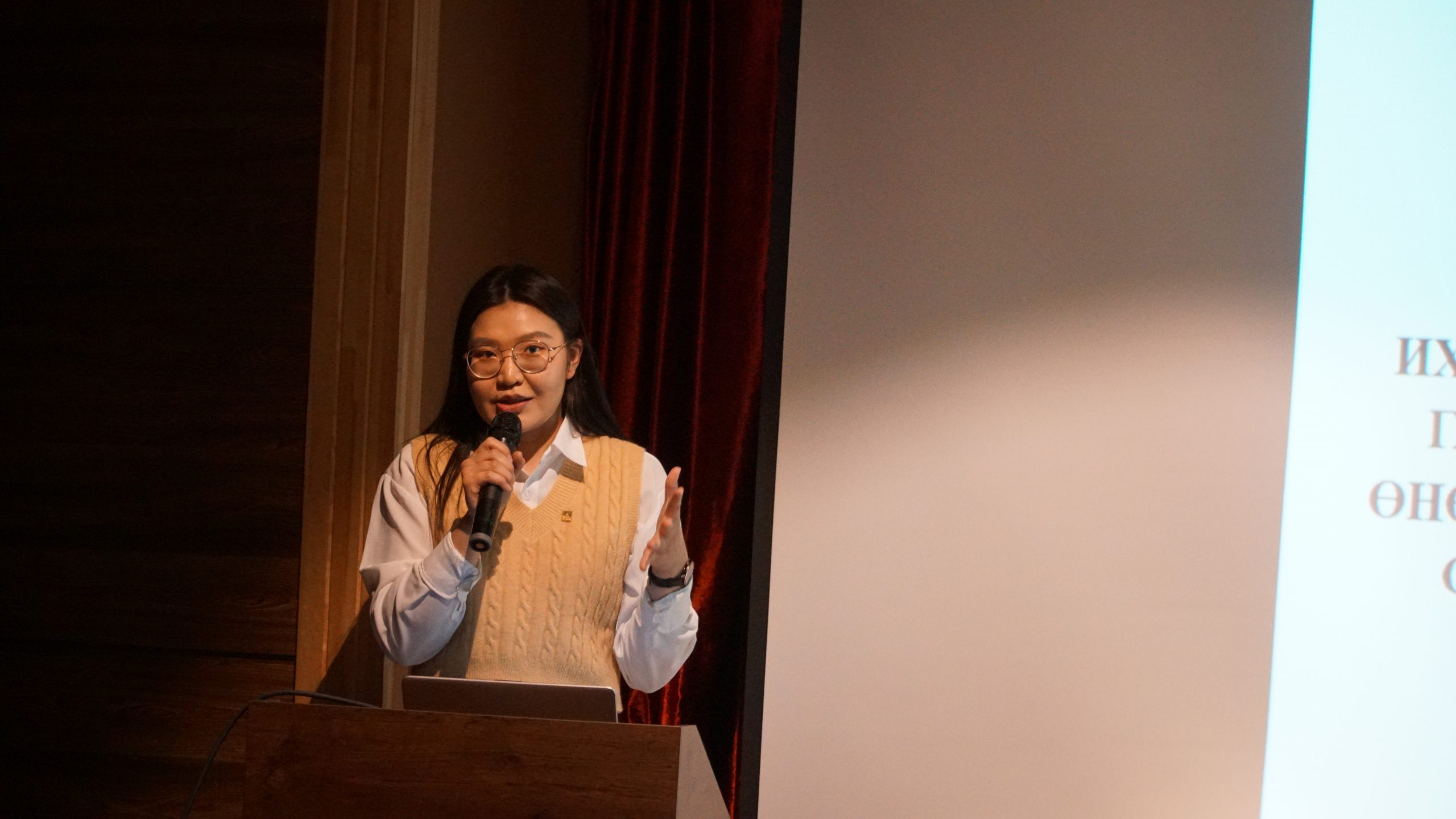
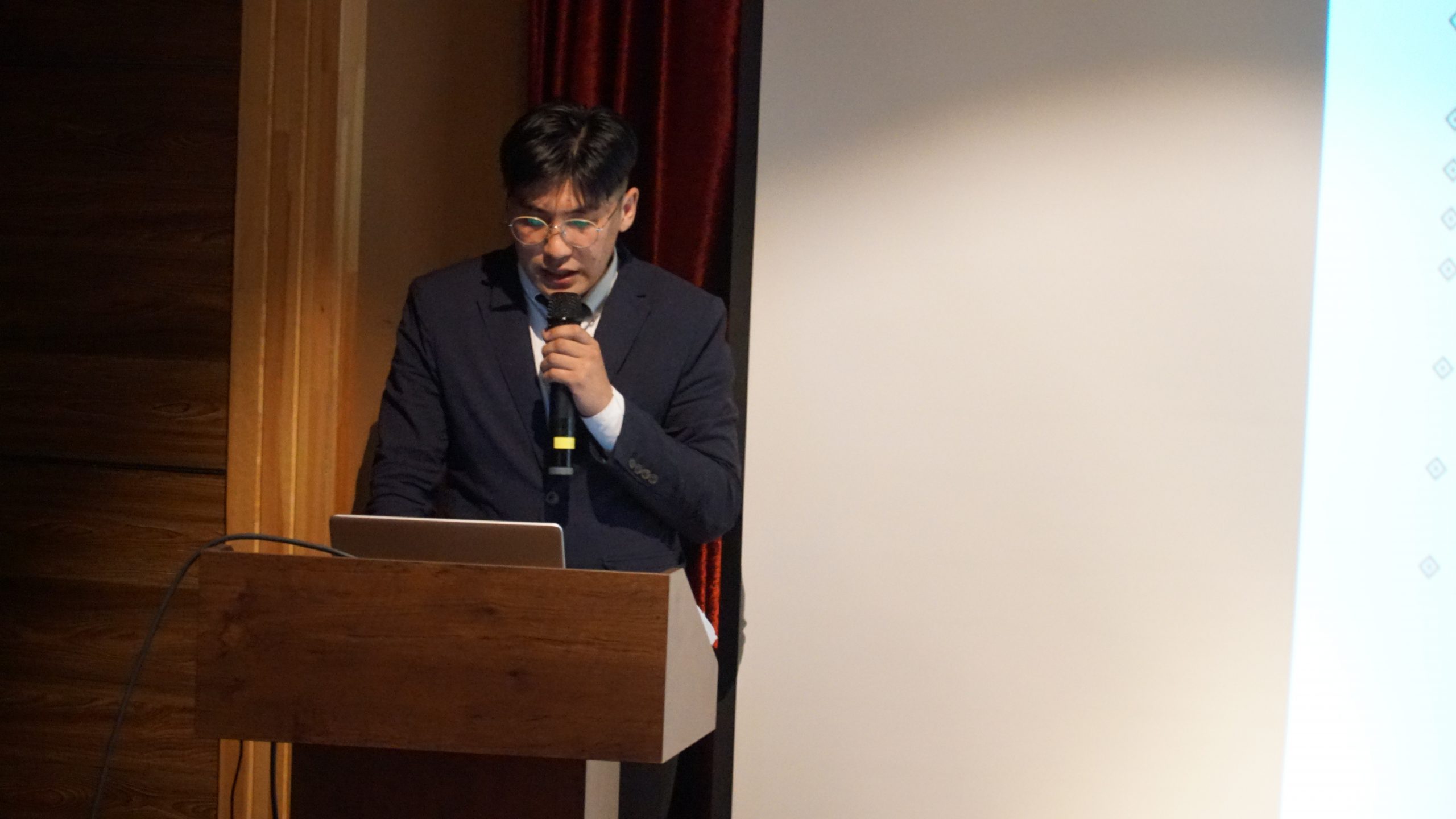
Outstanding paper awards:
First place: ‘Making the Bogd Khan Palace Museum Accessible to Persons with Disabilities’, by Kh. Adilbek, third-year Tourism Management student, School of Business.
Second place: ‘Plantago major as the Main Ingredient in a Moisturising Facial Mask’, by G. Gantsetseg, second-year Hairdressing and Styling student, School of Beauty.
Third: place: ‘A Study of Producing University-Branded Clothing and Merchandise’, by third-year Fashion Design students V. Otgonsuren, M. Erdenesuvd, U. Enkhjin and O. Azjargal of the School of Construction, Architecture and Design. These contributions were selected as the outstanding papers of the 2022 Student Research Conference.
We wish continued success in research to all supervising faculty, students who participated in each of the three stages, and the award recipients.