

The Department of Foreign Languages at CITI University’s School of Humanities organised Language Festival 2022 as part of its planned activities for the 2021–2022 academic year.
Students enrolled in more than 40 programmes across the university’s six constituent schools study English, Chinese, Korean, French, Japanese and Russian as electives alongside Mongolian.
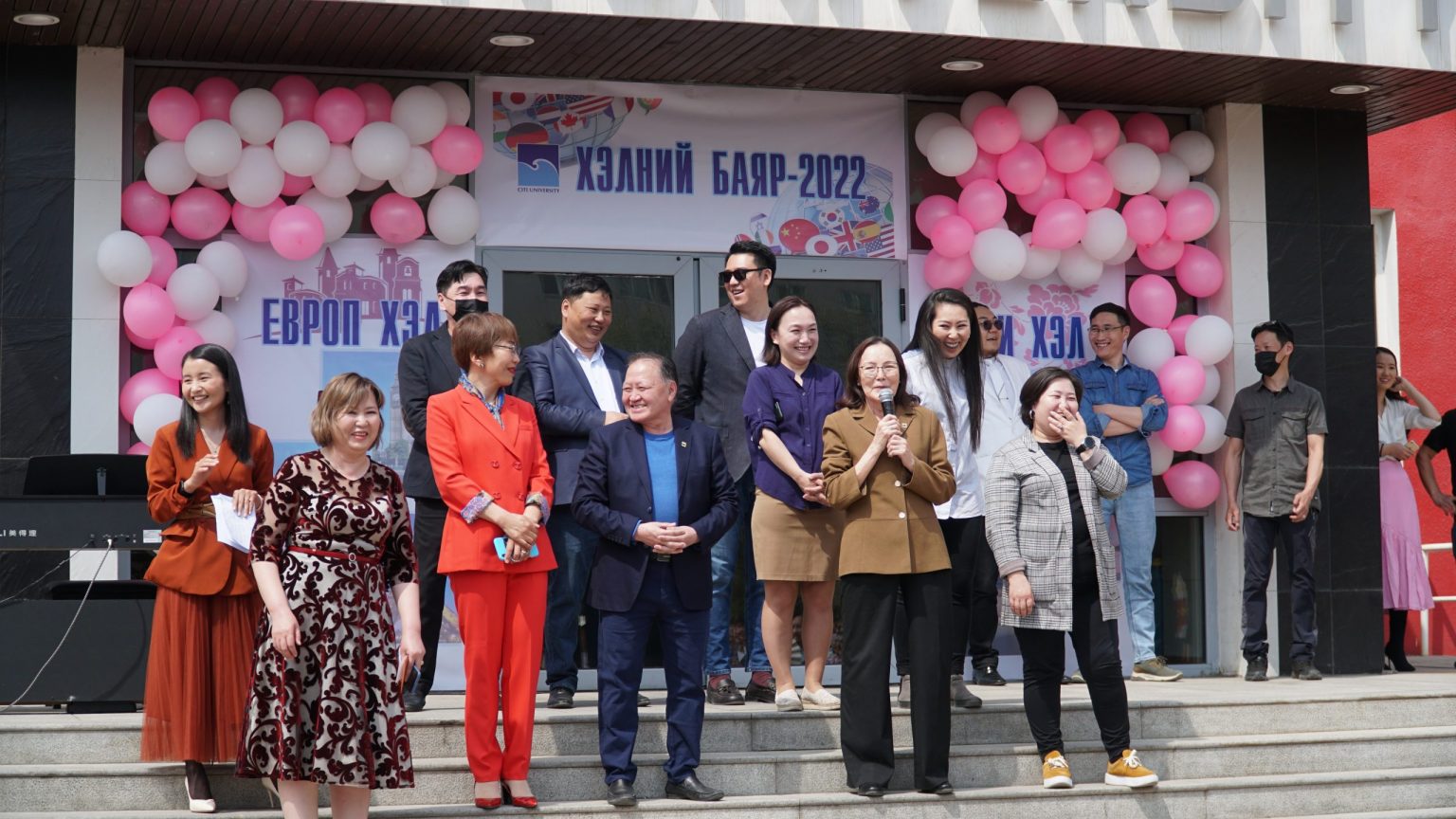
At the festival, President Professor Ts. Baigalmaa, Ph.D., congratulated students who had strengthened their foreign-language skills through successful participation in domestic and international competitions. She welcomed their pursuit of world-class education in Mongolia and scholarship opportunities at major foreign universities. She also explained the university’s work to improve opportunities for students to study at leading overseas institutions and to implement joint international programmes. These included graduate study at more than 20 United States universities with tuition reductions of 20–40%, joint programmes with Asian and European universities, and 2+2 study opportunities in Korea, Russia and China.
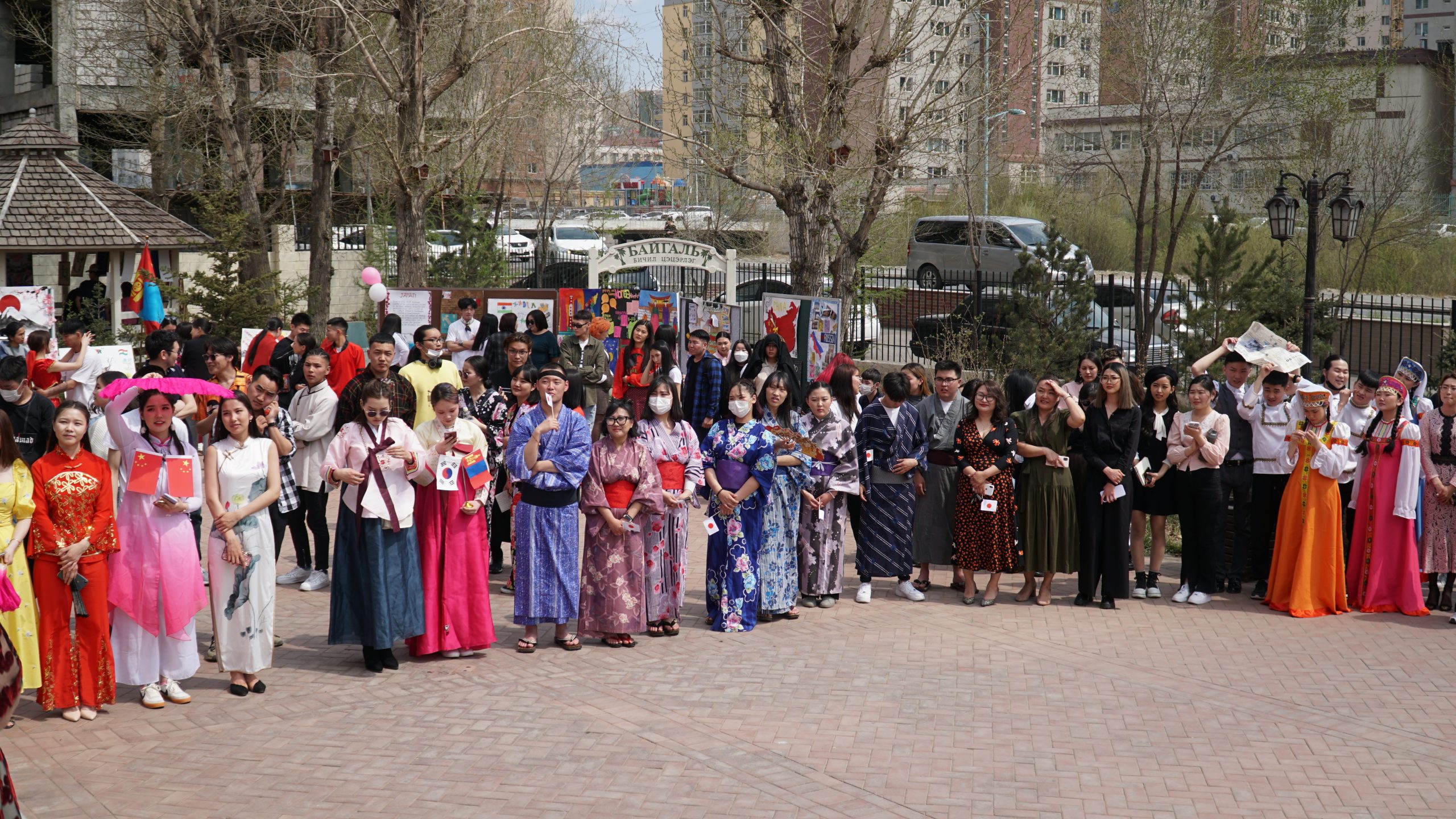
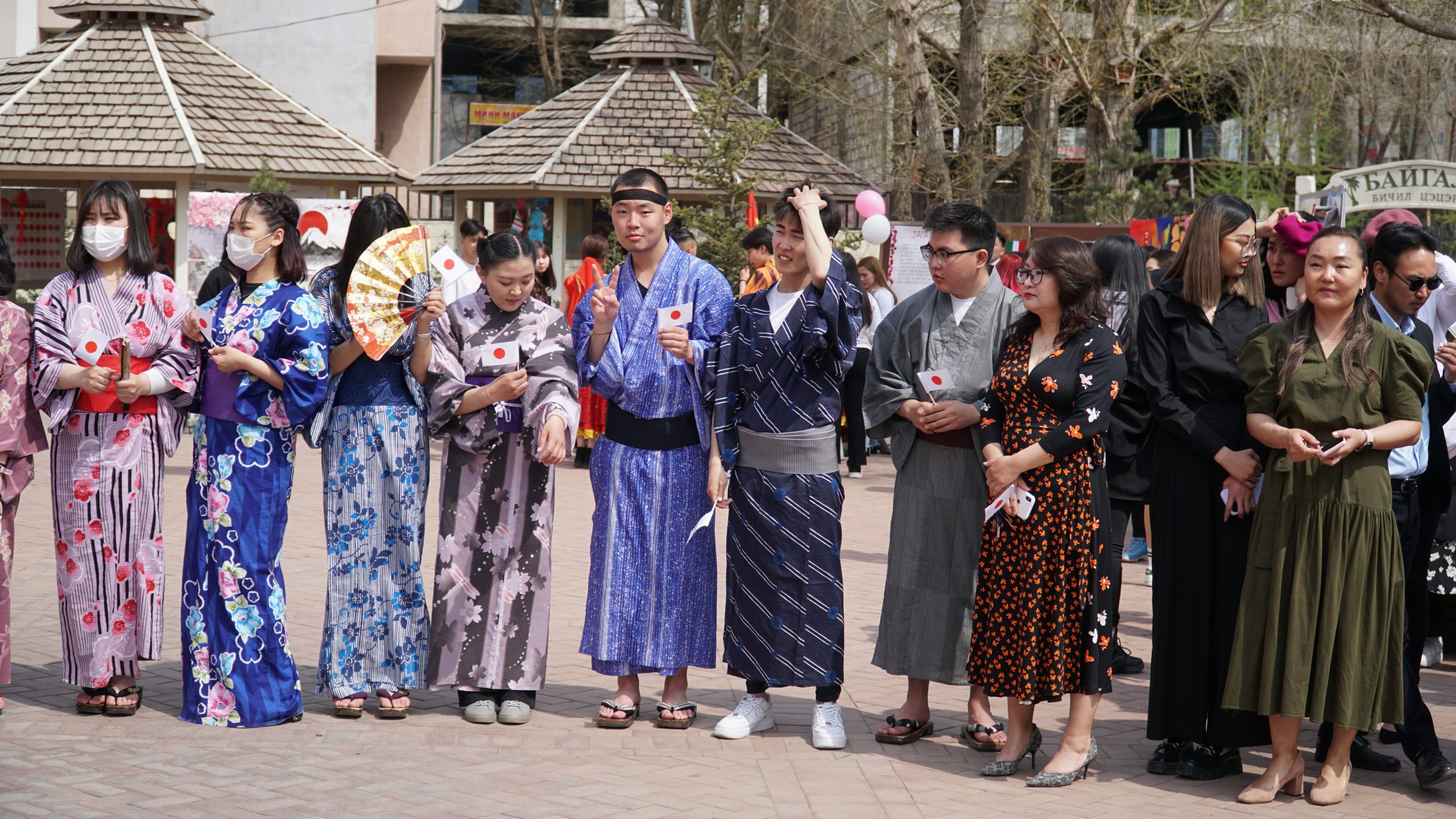
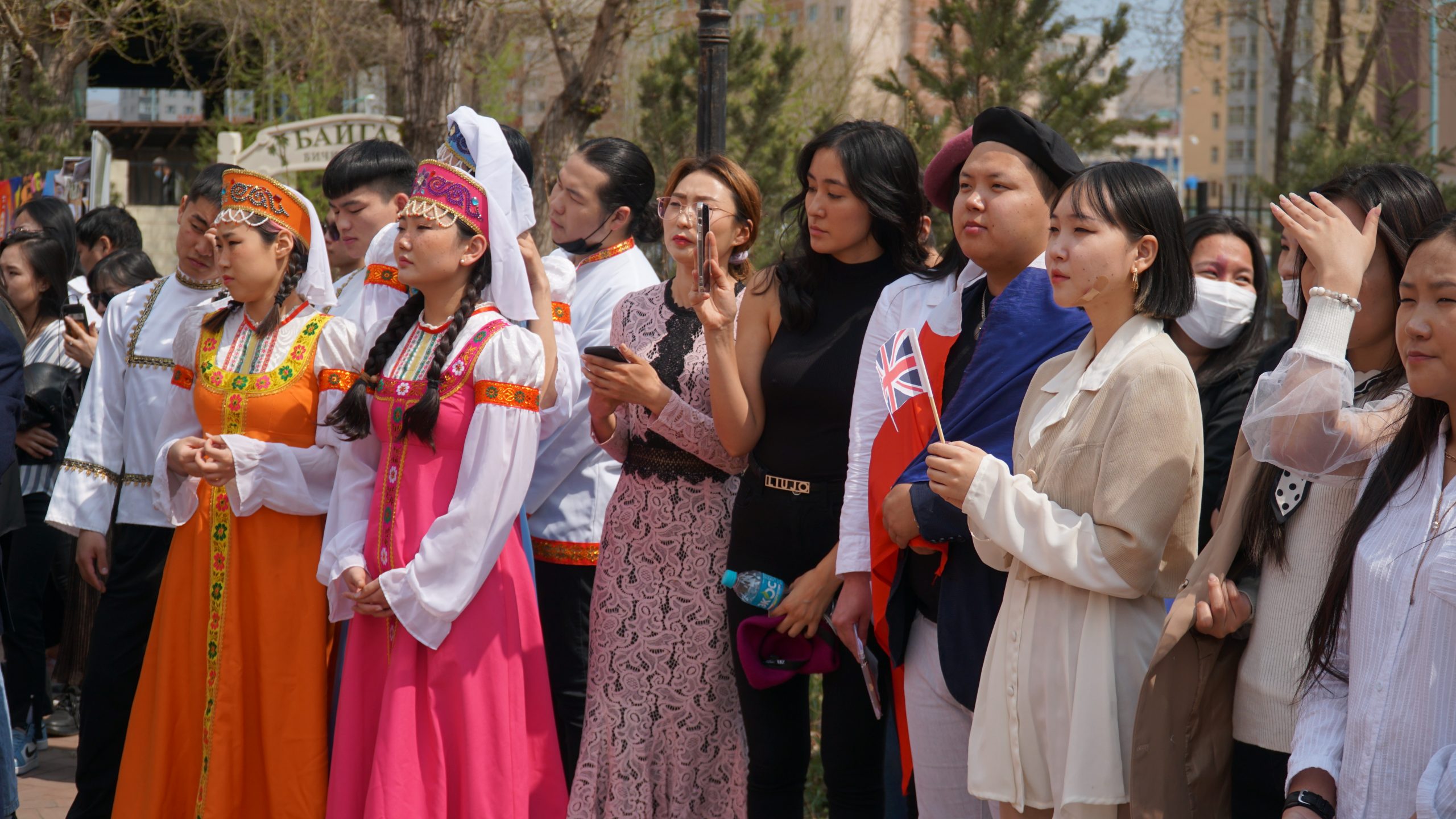
Students studying professional translation, elective foreign languages and other disciplines presented a range of activities in the languages they were learning. They wore national costumes, prepared displays introducing countries’ history, culture and customs, and celebrated with artistic performances and greetings in their chosen languages.
During their studies, students take language proficiency examinations and participate successfully in international competitions. This academic year, Chinese Translation students competed in the Chinese Bridge international competition: third-year student M. Marzhan won first place, a full master’s scholarship and the right to enter the world competition; second-year student O. Munkhmaa placed in the top eight; and N. Bolor-Erdene and A. Dinara received special prizes. These results demonstrate their skills in domestic and international competition. Fourth-year Chinese Translation student N. Bolor-Erdene also received a Russian Government master’s scholarship. Japanese Translation students participate in a one-year practical training programme, and the next group will depart for Japan in July.


