

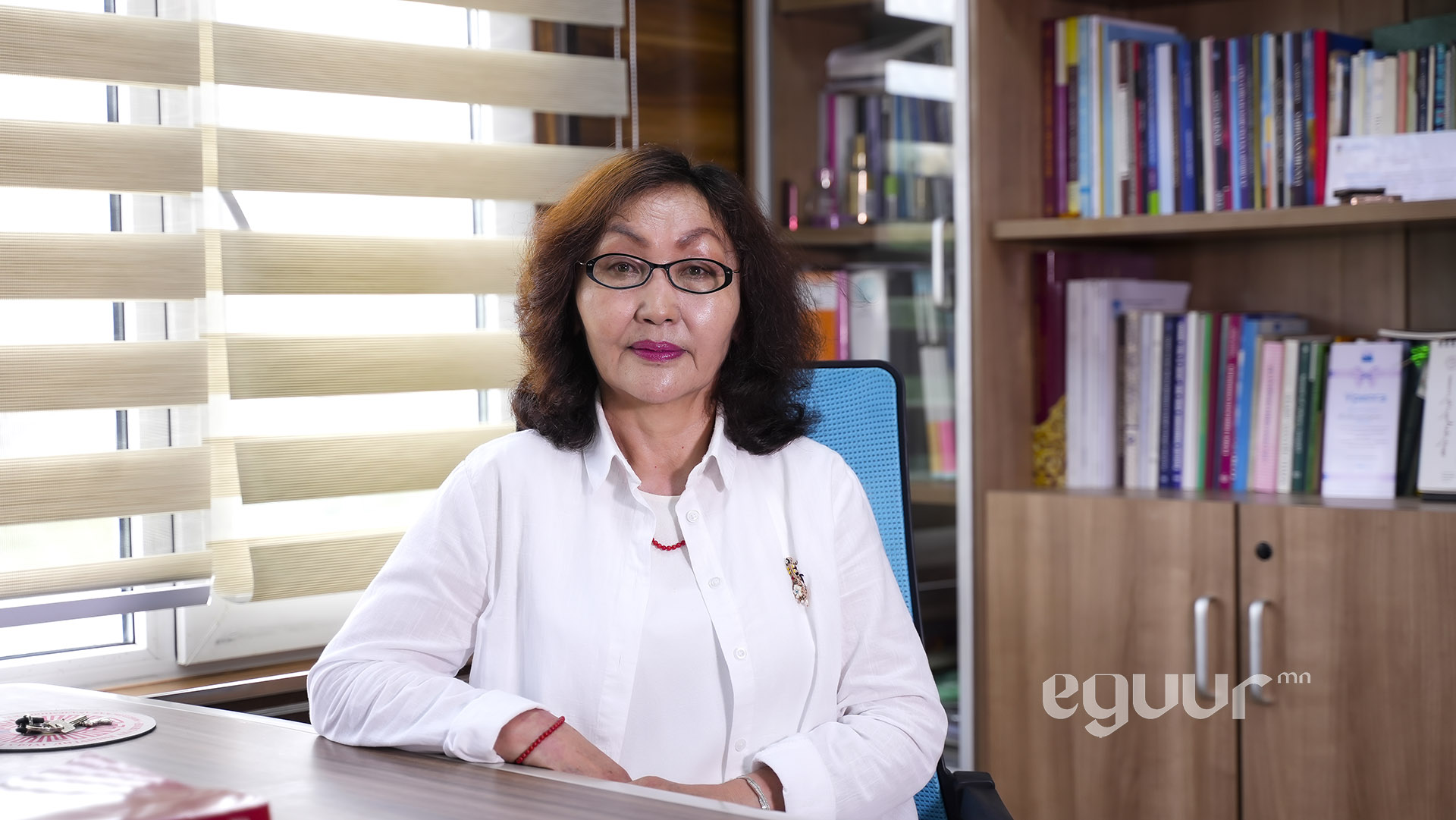
 Хурим найрын улирал эхэллээ. Монголчуудын гэр бүл болж хуримлах зан үйл соёл жилээс жилд илүү өргөн дэлгэр зохион байгуулалттай болж буй.
 The wedding season has begun. Mongolian marriage ceremonies and celebrations are becoming more extensive and elaborate each year.
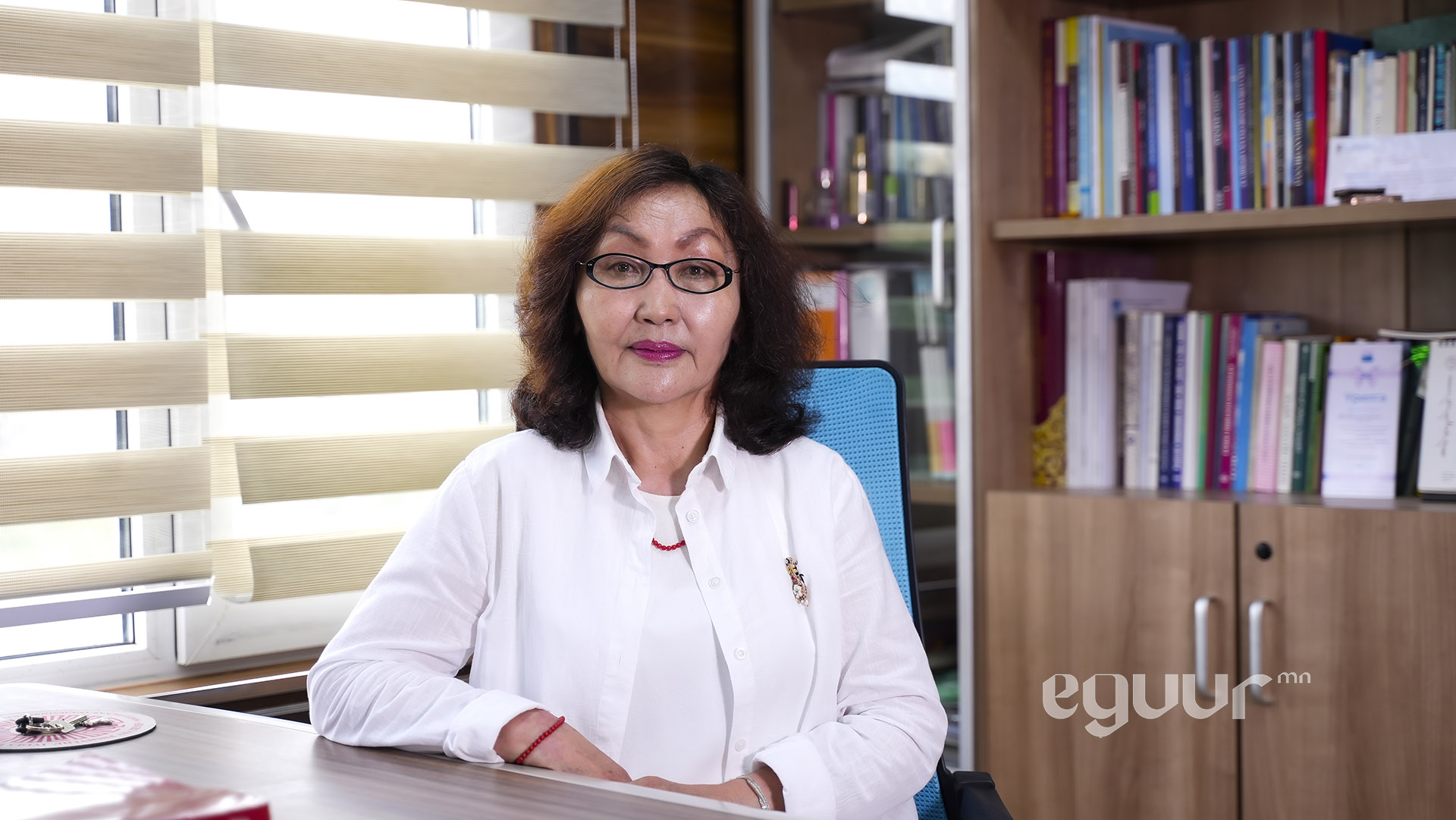
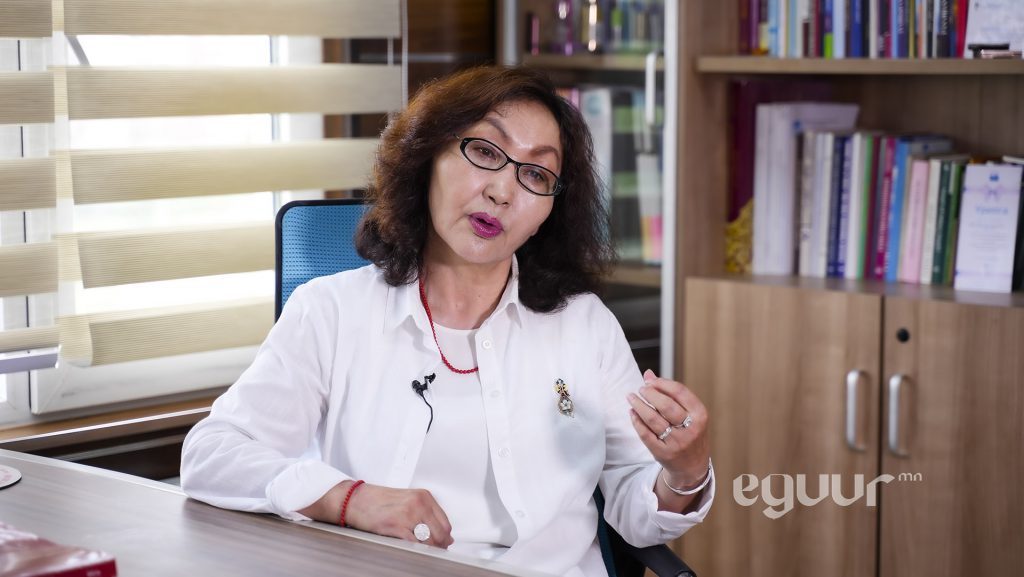
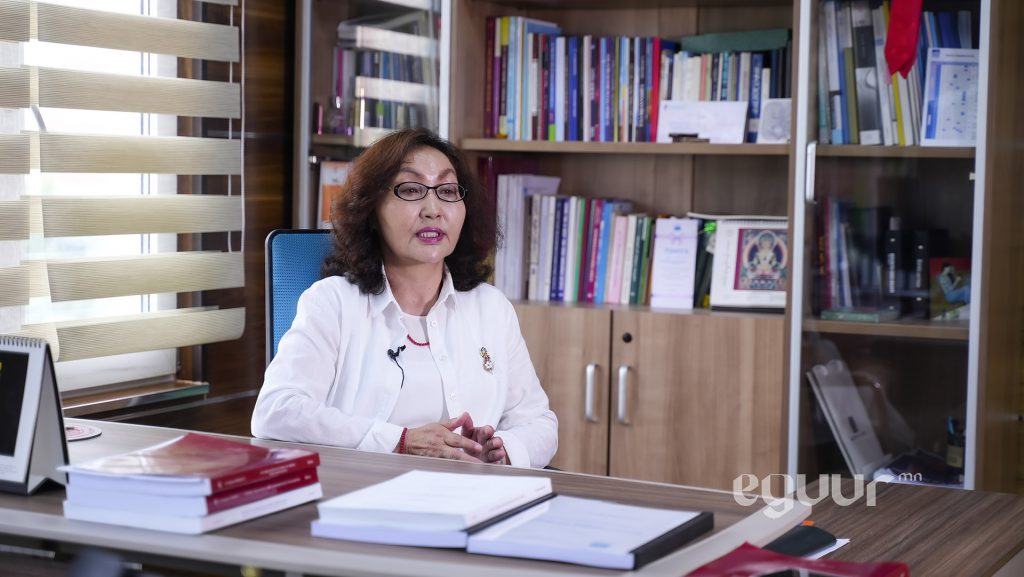
The occasion now receives considerable attention not only from couples but also from guests, beginning with their clothing and accessories. We spoke with cultural scholar Professor J. Dolgorsuren, PhD, about wedding traditions, changes in ritual and their meaning.
‘Our ancestors held marriage in great esteem as a solemn rite, or a ceremonial wedding.’
—As a cultural scholar, how would you define a wedding or ceremonial celebration?
—The Mongolian concept of khurim nair has a broad meaning. It is a ceremony through which people celebrate achieving a particular goal in work or life and share their happiness and pride with parents, relatives and loved ones. Scholars, teachers and researchers, for example, hold book celebrations to honour years of dedicated work, while couples in love celebrate a marriage as they establish their household. Such celebrations therefore constitute a distinctive sphere of human relationships arising from particular purposes, and can be understood as traditional cultural heritage.
—What meanings are embodied in a marriage celebration?
—In ancient Mongolian tradition, men and women were expected to marry on reaching adulthood. The Secret History of the Mongols expresses this through references to sons seeking their own home and daughters being seen and courted, and the saying that a daughter’s destiny is not to grow old at the doorway where she was born. Our ancestors esteemed marriage as a solemn social rite, an understanding that retains its significance. Its central purpose is to foster harmony between kinship networks, prevent conflict and consanguinity that could harm descendants, and acquaint the young couple with their ancestry and family lineages.
The family is society’s primary unit, and a strong family is fundamental to social stability. A wedding is a solemn act that affirms a couple’s promise to love one another for life. This is what we mean by the marriage ceremony. Mongolians value a binding ‘yes’: once a commitment is made, it must be kept. Such a promise matters in remaining truthful and pursuing one’s goals consistently. The couple’s parents and relatives jointly recognise and affirm the couple’s obligation to remain faithful, maintain a strong home, have descendants and honour kinship. Every nation and ethnic group has distinctive wedding procedures.
—This is a much broader cultural inheritance than the wedding ceremony we commonly know today. Which customs and practices should we understand first?
—A wedding has three main parts: preparations and preliminary ceremonies, the marriage rite itself, and post-wedding rituals. First, the groom’s family requests the bride’s hand. If her family agrees, the couple becomes engaged. The bride’s family traditionally prepares a dowry in response to the betrothal gifts. Choosing an auspicious date for the principal ceremony has been widely practised. Post-wedding ceremonies follow.
Humans belong to nature. Peoples have developed different ways of relating to the natural world according to their geographical environment. The tradition of examining celestial movements and choosing an auspicious date in relation to the couple’s ages and birth years has remained strong. We commonly regard the seventeenth day of the middle autumn lunar month as especially auspicious for weddings. Choosing an auspicious day expresses harmony between people and nature and the wish that the couple’s household enjoy peace and enduring happiness across generations.
Mongolians often regard the hour of the horse as an auspicious time. Although favourable dates and times vary with a person’s birth year and month, the horse hour is particularly esteemed. Horses have played an exceptional role in the history of human civilisation, and this practice may preserve the Mongolian pastoral tradition of honouring horses and livestock.
Mongolian culture transmits many forms of symbolic thought concerning time, numbers, colours, directions and dreams. The entire wedding tradition can be regarded as an integrated collection of symbols. Choosing the date, clothing, colours, ornaments and designs expresses wishes for goodness, health and well-being. Wedding guests therefore try to regulate their words and conduct and maintain an orderly atmosphere.
Nothing in human life is wholly without meaning. Customs observed to make life meaningful are regarded as national cultural heritage and values. Weddings are permeated by symbolic thought. During fieldwork in Uench soum, Khovd Province, in 1994, I heard an elderly man say, ‘They did not offer us a snuff bottle.’ Someone raised in Ulaanbaatar or another region might not understand this. Although I was born locally, I did not immediately grasp its deeper meaning: he meant that they had not invited him to their child’s wedding. Exchanging snuff bottles, a practice of greeting and respect, thus also communicated a wedding invitation in pastoral life. No snuff bottle meant no invitation. This illustrates how nomadic wedding knowledge, procedures and invitations are transmitted orally and retained in memory.
There is another interesting preliminary ceremony on the day before the wedding. Among western Mongolians, notably the Bayad, it is called Sevger muudiin nair, while Buryats call it Basgan zaakh nair. The bride-to-be rides out with her friends, visiting households and relatives along her local river, singing and celebrating. Before joining another household the following day, she shares happiness with friends and relatives and listens to the elders’ advice. It is a beautiful custom.
A wedding is therefore meaningful, integrated tangible and intangible cultural heritage that supports the stability of family, solemn social institutions and society.
‘Weddings have not lost their integrated character, but their living quality appears to be fading.’
—Are these practices still performed as an integrated whole? How do you view this today?
—Their integrated character has not been lost, but their living quality appears less distinct. Oswald Spengler described culture as an organic, living organism. Culture exists in human capabilities. People who create and carry it transmit it through their bodies, minds, knowledge and skills into the understanding of others, and pass it to descendants through inheritance and life experience. A distinctive ritual or traditional knowledge may also disappear with its bearer if it is not transmitted to the next generation. Culture is thus a value created by people, passed between them and capable of renewing people spiritually. Wedding traditions fulfil precisely this role. Alongside ceremonial procedures, they involve songs, music, games and many other cultural values. Weddings matter because they create opportunities to pass these values to children and young people.
Cultural values created through talent, knowledge and skill are passed on as traditional knowledge, experience and procedures. Yet each generation receives inherited customs through its own knowledge, abilities, preferences and new values, which can diminish the perceived importance of tradition. This reflects a weakening of culture’s living quality. At the same time, culture is transmitted through renewal and change. Wedding customs are not rigid, frozen practices that never alter. There are considerable differences between weddings before socialism, during socialism and today. Some procedures and standards require relatively faithful transmission, while valuable elements can remain firmly preserved rather than disappearing with time. This stable continuity is present in Mongolian wedding traditions.
For example, requesting the bride’s hand, presenting a khadag, establishing ties between families, meeting one another, discussing the children’s marriage, considering compatibility of birth years and accepting the ceremonial pledge have remained stable practices. In contrast, forms of organising weddings have changed. Clothing and venues have changed with the transition from nomadic to settled life. This is natural. We should not complain simply because traditions have not been transmitted in an entirely rigid form. Renewing marriage practices while passing their most valuable elements to young people is socially significant. Remaining faithful to one’s marriage vows is a basic human obligation and is important for the stable development of Mongolian society and the nation.
Cultural globalisation, market society, open thinking and strong foreign cultural influences are rapidly changing our values, particularly those of children and young people. Things that our generation considered valuable or beautiful may no longer be especially interesting to today’s youth. This too is natural. There is nothing wrong with educating our children in values that help them become Mongolians who are open to the world and understand international cultural development. If culture generally develops through both inheritance and renewal, we must understand wedding customs as following the same pattern.
—You mentioned many forms of symbolism. There are often disagreements over clothing colours or the meanings of gifts. What should people know?
—Mongolian colour symbolism is remarkable. White symbolises purity, like a mother’s milk, and wishes for a bright future and an unobstructed path through life. It is therefore especially esteemed. Its opposite, black, symbolises strength and victory and should not simply be regarded as bad. Honouring and worshipping the black standard in state ceremonies expresses the strength of the state. Since red and black are used in funerary rites, combining them at a wedding may sometimes be considered inappropriate. Yet an absolute prohibition would also be unsuitable.
Blue symbolises the Eternal Sky, peace and harmony. Yellow symbolises learning and religious teachings, which is why a yellow khadag is offered to one’s teacher. Green symbolises growth and flourishing. Each colour has its own meaning. Traditionally, each ethnic group makes and wears Mongolian deels in its own distinctive style. Suits and dresses arrived later, but did not change the fundamental meaning of weddings. Couples today may wear deels when establishing their household in accordance with Mongolian custom, then change into modern clothing for a restaurant reception. With such a range of possibilities, we should respect young people’s choices.
—It has become common for couples to hold a wedding after several years together. Some people criticise this. How should we understand it?
—The central meaning of a wedding is to establish kinship while welcoming goodness, dispelling misfortune, purifying the home and spirit, honouring national customs and demonstrating respect for procedures to the next generation. The timing is therefore the couple’s choice according to their circumstances. Requesting a bride’s hand and marrying are expressions of respect and trust. I do not criticise couples who meet while studying, working or living at home or abroad, have one or two children, live together for several years and then marry. Circumstances may have prevented an earlier celebration. They have lived together, raised children and come to know one another well. Holding this meaningful ceremony later remains an act of deep respect and solemn social recognition. It beautifully expresses their acknowledgement of one another’s worth. It is a change within the tradition that once considered the wedding the beginning of household life.
—Are any rituals being forgotten or losing their meaning?
—People sometimes say, ‘We do not know customs; what should we do? Only western Mongolians are so ceremonial.’ Such remarks seem to justify ignorance and are unpleasant to hear. As human beings, particularly when beginning life with another person’s cherished child, we should observe the traditional knowledge and procedures through which people respect one another. We should understand and honour our own and other peoples’ national and ethnic customs. This promotes mutual understanding and allows couples, parents and relatives to value one another, creating a basis for a stable family. If a family unfamiliar with customs is marrying its child into a family that observes particular traditions, it should first study and understand those practices. Learning the other group’s culture and conducting ceremonies considerately can greatly support the children’s stability.
‘Parents should not approach their children’s wedding irresponsibly by claiming that ignorance of custom excuses them.’
The saying that ignorance of custom protects one from ill omens reflects an irresponsible attitude. Weddings depend on procedures and ceremony, just as families depend on established norms. Personal relationships and institutional or professional relationships operate within written and unwritten rules. Knowing, observing and respecting customs is therefore important, particularly for young people’s lives. Those holding a wedding should study its practices and approach them respectfully, and teach their children. This requires learning. Traditional knowledge is now easily accessible: a single internet keyword can reveal explanations of basic ceremonial procedures.
Children respect tradition when their parents know and honour it. People of every age should learn customs and treat them respectfully. A guest should prepare not only a gift and suitable clothing, but also the words and blessings they will offer. When everyone recognises that they are attending a valued, solemn celebration, the wedding becomes orderly, meaningful and beneficial, providing a setting in which knowledge and experience can be transmitted to young people.
—Some people find these customs burdensome. Given their symbolic meaning, should individuals make more effort?
—Both as a researcher and personally, I do not favour such an attitude. If your daughter were respectfully asked to join another household and you hoped for her strong, happy family life, how would you feel if the other family disregarded the ceremony? Such behaviour is not merely unpleasant; it may encourage the couple to be careless towards people and obligations and to see procedures as a nuisance. This undermines responsibility, the value we place on one another and fidelity to our promises. Customs should not be treated as excessively complicated. The opposite extreme is also problematic: rigidly insisting that only one way is correct can burden those unfamiliar with it. Families must discuss matters carefully and reach understanding through mutual respect.
Above all, the attitudes of parents and grandparents towards solemn rites influence the values with which the new family approaches life. Understanding and misunderstanding can begin there. Respect for one another’s established ways of life and values is essential, without either extreme. We should neither discard all customs and meaning, nor become so self-important and rigid that we impose personal opinions and proud standards that may not even belong to tradition, embarrassing the other family. Solemn rites require mutual respect and understanding. Some recent weddings have also become displays of wealth, with excessive attention to appearances and money.
Wedding gifts, for example, meaningfully express respect. Focusing on their price rather than their meaning reflects an ethical decline. People have remarked on weddings where one family offers a herd of horses and the other promises two to outdo them. Such behaviour does not accord with Mongolian ethical standards. Pursuing outward form without substance diminishes the wedding’s value and can have harmful consequences. It illustrates a wider ethical distortion: valuing appearances and wealth over the inherent worth of another human being.
—What would you like to say to readers in conclusion?
—As a researcher, I hope everyone recognises that Mongolian culture is Mongolia’s wealth. Wedding traditions are among its most valuable parts. Their meaningful customs and procedures are our shared wealth, and preserving what we hold dear is essential. Excessive desire for gold, money and property harms the stability of families, society and the nation. Although values are naturally changing rapidly, we must consistently uphold integrity and ethical values. Respecting and loving people, caring for nature and treating it considerately matter more than anything. Respect for nature and for one another is our greatest value.
Our lives, Mongolian society and the nation’s distinctive character are grounded in the bond between people and nature. As the wedding season begins, preserving these beautiful customs and treating nature and one another with kindness can help our hopes come to fruition. Respecting the proper course and order of things is part of what gives human life meaning.
—Thank you for the interview.
B. Khash-Ild